Blog
The Evolution of Handbags: From Utility to Fashion Statement

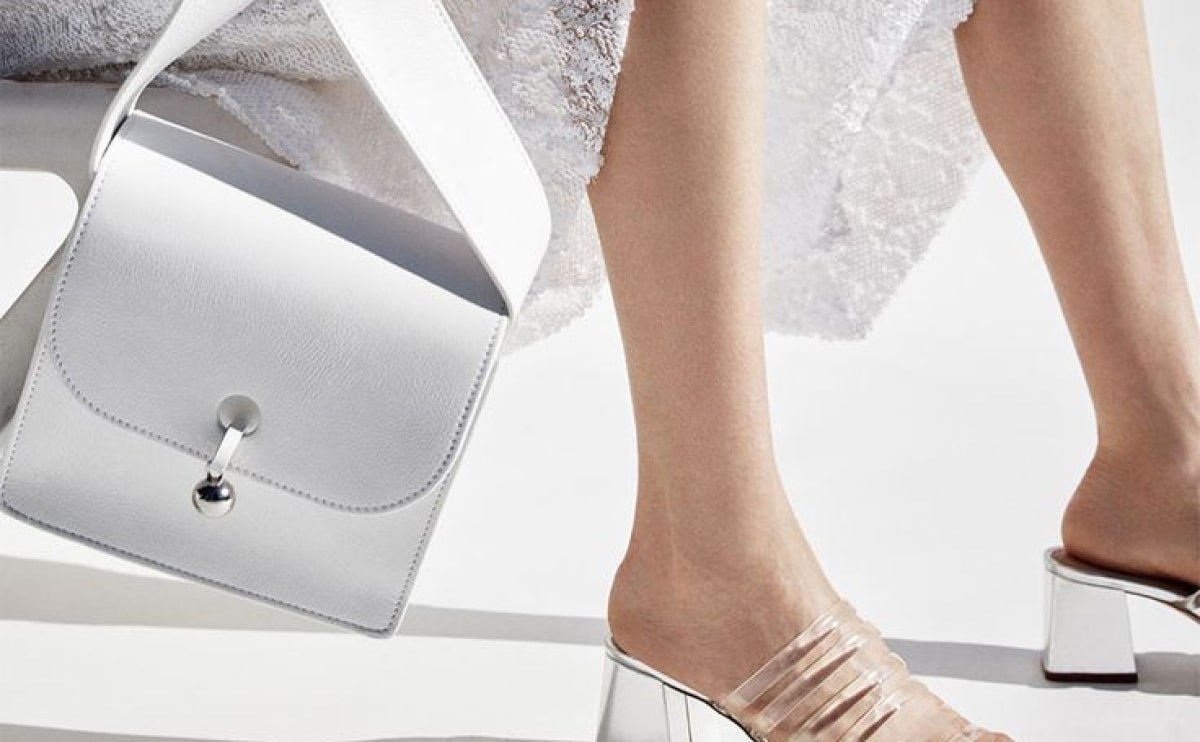
Handbags are more than just accessories—they are a reflection of culture, style, and personal identity. Over centuries, handbags have evolved from purely functional items to iconic fashion statements, coveted by women (and men) across the globe. Understanding this evolution not only gives us an appreciation for design and craftsmanship but also reveals how society, gender roles, and fashion trends have shaped this essential accessory.
1. The Humble Beginnings: Handbags as Utility
The story of the handbag begins with practicality. Early versions of personal carriers were simple pouches, sacks, or bags used to carry coins, tools, or small essentials.
Ancient Civilizations: In ancient Egypt, women carried small pouches tied around their waist to hold cosmetics and amulets. In medieval Europe, men often carried purses to hold money, as clothing lacked pockets.
The 16th–17th Century: With the rise of trade and commerce, handbags became slightly more ornate, often made from leather or cloth. Women’s pouches were practical but could also feature embroidery or metal embellishments as a status symbol.
Key takeaway: The early handbag was a functional accessory—its main goal was to store and protect personal belongings.
2. The 18th–19th Century: From Pocket to Purse
By the 18th century, the idea of personal fashion accessories began to merge with utility. Women’s fashion often included elaborate gowns without pockets, creating the need for an external bag.
Reticules: Small, drawstring handbags known as reticules became popular in the late 18th and early 19th centuries. These were often made of delicate fabrics like silk or velvet, decorated with lace, beads, or embroidery.
Industrial Revolution Impact: Mass production allowed for a wider variety of designs and materials. Bags became accessible to the middle class, expanding their use beyond aristocracy.
Mens’ Bags: Men started using leather satchels and briefcases, marking the beginning of gendered handbag styles.
Key takeaway: Handbags transitioned from purely practical items to fashionable accessories that complemented clothing.
3. Early 20th Century: Handbags as a Fashion Statement
The early 1900s saw handbags move to the forefront of fashion, especially as women became more active in society. The rise of the “flapper” culture in the 1920s brought small, stylish evening bags into popularity.
Art Deco Influence: Geometric shapes, bold patterns, and luxurious materials defined handbags in the 1920s and 1930s.
Designer Emergence: Brands like Hermès, Gucci, and Louis Vuitton began creating luxury handbags, emphasizing craftsmanship, status, and exclusivity.
Functional Meets Fashionable: Women’s handbags now combined practicality (holding essentials like gloves, coins, and cosmetics) with style and identity.
Key takeaway: The handbag became a symbol of independence and social identity, especially for women stepping into public life.
4. Mid to Late 20th Century: Iconic Designs and Cultural Significance
The mid-20th century is when handbags truly became a cultural icon. The post-WWII era brought prosperity, allowing women to embrace fashion as self-expression.
Hollywood Influence: Actresses like Audrey Hepburn, Marilyn Monroe, and Grace Kelly elevated certain handbag styles to legendary status. Grace Kelly famously inspired the Hermès “Kelly Bag,” a symbol of elegance and luxury.
Functional Innovation: Bags became more diverse: shoulder bags, totes, backpacks, and clutches entered everyday use. Designers focused on convenience without compromising style.
High Fashion Explosion: Luxury brands like Chanel (with the classic flap bag), Prada, and Dior became synonymous with status, craftsmanship, and timeless elegance.
Key takeaway: Handbags were now status symbols and fashion statements, representing personality, class, and sophistication.
5. 21st Century: Handbags as Personal Expression
In the modern era, handbags have reached a point where design, technology, and sustainability intersect.
Trendy & Experimental Designs: Contemporary designers experiment with shapes, materials, and textures. From oversized totes to micro bags, handbags now reflect individual style choices.
Functionality Meets Tech: Many modern handbags integrate technology, like built-in chargers or anti-theft features.
Sustainability Movement: Eco-conscious fashion has led to handbags made from recycled materials, vegan leather, and ethically sourced fabrics.
Social Media Influence: Instagram and TikTok have made certain handbag designs “must-have” items overnight, turning limited-edition drops into cultural phenomena.
Key takeaway: Today’s handbags are more than accessories—they are a personal statement, a functional tool, and a reflection of lifestyle choices.
6. Famous Handbag Icons Across Time
Some handbags have become legendary, transcending fashion trends:
Hermès Birkin Bag: Synonymous with exclusivity, luxury, and investment value.
Chanel Classic Flap Bag: A timeless piece that combines elegance with craftsmanship.
Louis Vuitton Speedy: Iconic for travel, blending durability and style.
Prada Nylon Backpack: Practical yet fashionable, representing modern versatility.
These handbags are more than functional items—they are symbols of identity, aspiration, and status.
7. Why the Handbag Matters Today
Handbags have evolved from simple utility pouches to cultural, social, and fashion statements. Owning the right handbag is about:
Style and self-expression – showcasing personality and taste.
Functionality – carrying essentials comfortably.
Status and craftsmanship – appreciating design, heritage, and quality.
Adaptability – transitioning seamlessly between work, social events, and travel.
A handbag tells a story, not just about fashion trends, but about the woman carrying it—her choices, lifestyle, and identity.
Conclusion
The handbag’s journey from practical pouch to fashion icon reflects broader societal changes, evolving roles for women, and advancements in design. From the delicate reticules of the 18th century to today’s luxury statement pieces, handbags remain timeless symbols of style, functionality, and self-expression. Investing in a high-quality handbag, understanding its history, and choosing pieces that align with your personal style ensures that your accessory wardrobe is not just fashionable, but meaningful.
Whether you’re carrying a practical tote for work, a chic clutch for a night out, or a timeless designer bag that elevates any outfit, your handbag continues to tell the world who you are—and that’s the true power of this enduring accessory.